
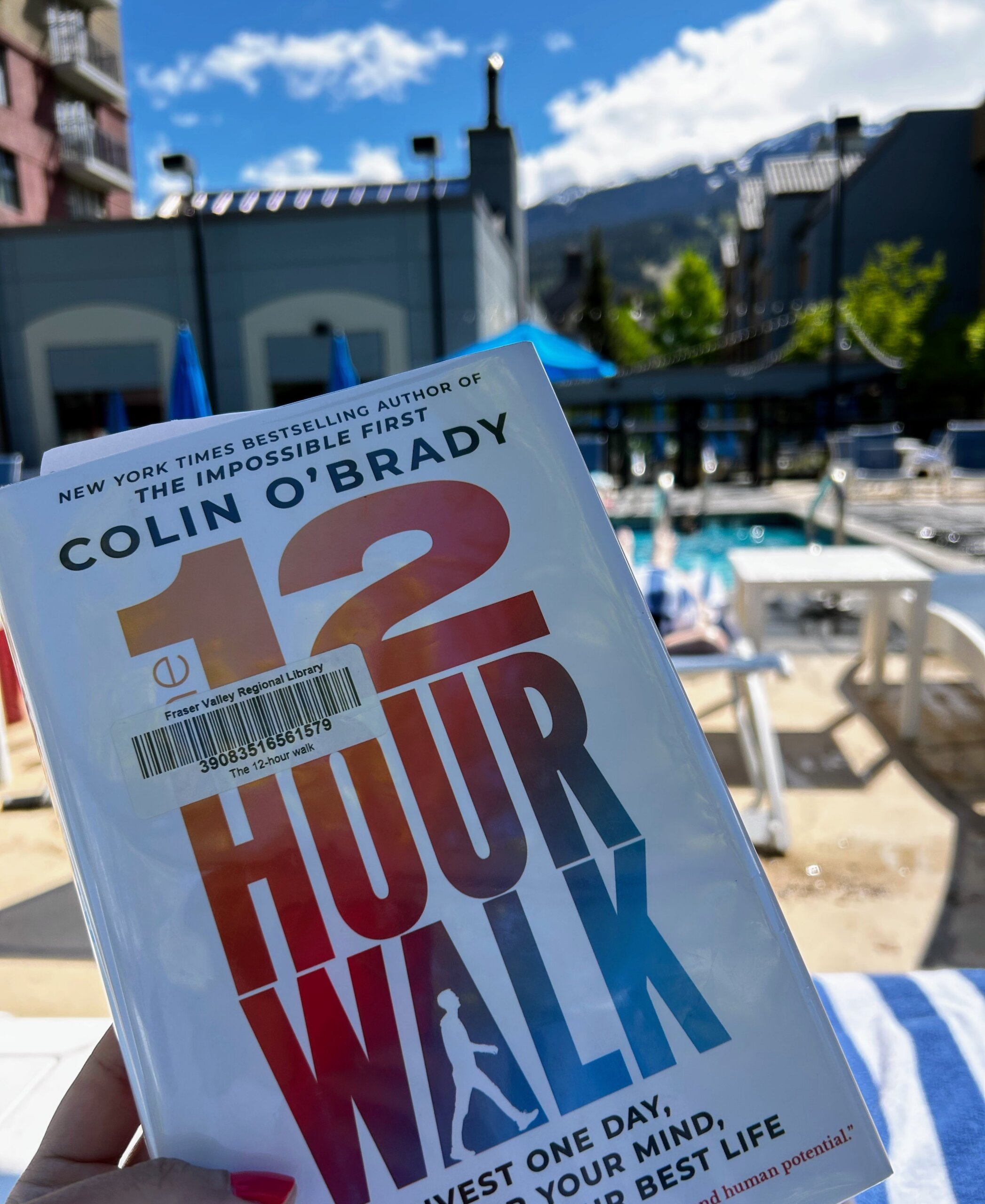
Leadership Begins in the Mind
When I finished reading The 12-Hour Walk by Colin O’Brady, I realized that although the book is framed as a personal challenge, it is really about something much deeper. The premise is straightforward: spend twelve hours walking alone without your phone, music, podcasts, or any other distractions. What sounds like a physical test quickly becomes a mental and emotional one, because there is nowhere to hide from your own thoughts.
That is what leadership often feels like. While others see the visible parts of leadership such as meetings, decisions, and communication, the most important work happens internally. Leadership requires us to confront our doubts, challenge our assumptions, and decide whether we are willing to grow beyond the stories we have accepted as truth.
The Stories That Hold Us Back
One of the central messages in the book is that too many of us are limited by beliefs we rarely question. We tell ourselves that we are not ready, not experienced enough, or not capable enough. These thoughts may feel factual, but they are often just stories that have become familiar over time. I have seen this repeatedly in leadership. Highly capable people avoid applying for a new role because they believe they need one more credential. Managers delay difficult conversations because they worry they will not handle them perfectly. Leaders stay in comfortable positions long after they have stopped growing. In many cases, the obstacle is not a lack of talent or opportunity. It is the belief that they cannot do what they are more than capable of doing.
The breakthrough comes when we shift from thinking, “I can’t,” to thinking, “I can.” That change in mindset does not eliminate uncertainty, but it opens the possibility that more is available to us than we first imagined.
Growth Requires Discomfort
O’Brady describes what he calls the “zone of comfortable complacency.” It is a phrase that perfectly captures where many leaders become stuck. They are doing well enough to avoid discomfort, but not stretching themselves enough to realize their full potential.
The truth is that meaningful growth rarely feels comfortable. To experience our highest highs, we often need to endure some of our lowest lows. We must be willing to take on challenges that test our confidence and force us to develop new capabilities.
Whether it is stepping into a larger leadership role, making a difficult decision, or confronting an issue that has been avoided for too long, discomfort is often the toll that must be paid to achieve fulfillment.
Embrace the 1 Out of 10 Days
One of the ideas from the book that resonated with me most was the concept of the “1 out of 10 days.” These are the days when motivation is low, progress feels slow, and quitting seems tempting. Every leader experiences days like this. There are moments when the path forward is unclear, criticism feels personal, and the responsibility of leadership feels heavy. These are not signs that something is wrong. They are part of the journey.
Leadership is not defined by how we perform when everything is going smoothly. It is defined by our willingness to remain steady and keep moving forward when things are difficult.
The Only Failure Is Not Trying
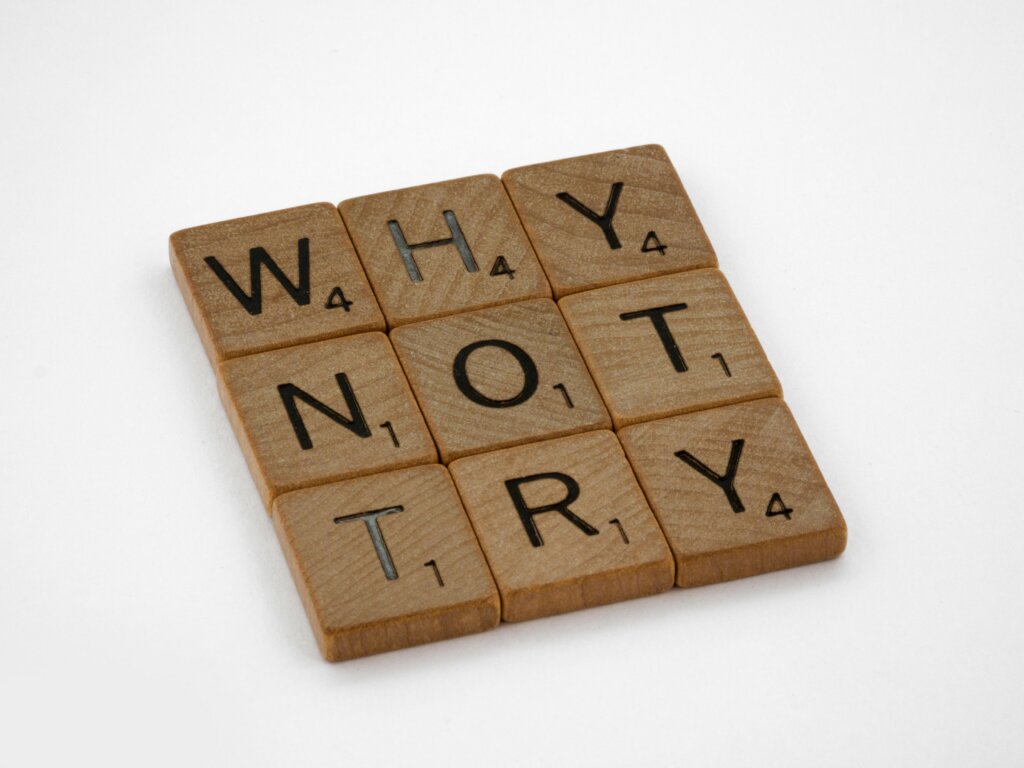
The book reinforces a truth that applies to every meaningful pursuit: the road to success is paved with failure. The people who accomplish the most are often the ones who have failed the most, simply because they were willing to take more chances.
In leadership, we can become paralyzed by the fear of making mistakes. We wait until we feel fully prepared or until every uncertainty has been removed. But some of the most important decisions must be made before we feel completely ready.
The only true failure is never taking the first step.
Trust Your Inner Voice
Leadership often involves navigating ambiguity. There are no guarantees and rarely enough information to eliminate all doubt. In those moments, experience and intuition become valuable guides.
Our gut instinct, when informed by reflection and self-awareness, can help us move forward even when certainty is unavailable. Strong leaders learn to trust that inner voice and act with conviction.
You Become Who You Spend Time With
The book reminds us that we are the net product of the people around us. Our mindset, habits, and ambitions are shaped by the company we keep.
The strongest communities are built on grit, a desire to grow, and a commitment to helping others become their best selves. Great leaders intentionally surround themselves with people who challenge them, support them, and expand their thinking.
Just as importantly, they work to create that kind of environment for their own teams.
Time Is Your Most Valuable Asset

Each of us is given 168 hours every week. How we choose to spend that time has a profound impact on the quality of our lives and leadership.
The idea of a “best life calendar” is a powerful reminder to align our schedules with our priorities. When we look honestly at where our time goes, we can see whether we are investing in our health, our relationships, and the work that matters most.
Time is our most precious resource. Great leaders treat it accordingly.
Prioritizing Self-Care Is Selfless
Many leaders fall into the trap of believing that constant sacrifice is a sign of commitment. In reality, depleted leaders are rarely at their best.
Our energy, emotional steadiness, and clarity affect everyone around us. When we take care of ourselves, we are better equipped to support others.
Prioritizing self-care is not selfish. It is one of the most responsible choices a leader can make.
Choose Abundance Over Scarcity
Scarcity thinking tells us there is not enough opportunity, recognition, or success to go around. Abundance thinking reminds us that helping others succeed does not diminish our own potential.
Leaders who operate from abundance are more collaborative, generous, and optimistic. They invest in others because they understand that collective growth benefits everyone.
Make “One Day” Today
Perhaps the most memorable lesson from the book is the challenge to stop postponing what matters most.
- One day I will apply for the role.
- One day I will have the difficult conversation.
- One day I will focus on my health.
- One day I will pursue the dream that keeps calling me.
Leadership is not built on intentions alone. It is built through action.
The future we want is created by what we choose to do today.
Your Leadership Challenge
The 12-Hour Walk is not really about walking. It is about confronting the thoughts that hold us back and discovering what is possible when we keep moving forward.
Leadership is much the same. Our greatest limitations are often self-imposed. Growth requires discomfort. Fulfillment comes from taking action despite uncertainty.
What is the one leadership challenge you have been postponing until “one day”?
Make one day today.
Ready to Take the Next Step in Your Leadership Journey?

Reading a book can spark insight. A long walk can create clarity. But lasting leadership growth happens when insight is turned into action.
At Upskill Consulting, we help leaders move beyond limiting beliefs, build confidence, and take meaningful steps toward their full potential. Whether you are stepping into a new leadership role, navigating uncertainty, or looking to grow from good to great, we provide practical coaching and development that helps you lead with greater clarity, courage, and impact.
If there is a leadership challenge you have been putting off until “one day,” perhaps today is the day to begin. Visit Upskill Consulting to learn how leadership coaching and development can help you unlock what is possible.

Throughout Sofia's career she has engaged in various functions of HR, always with a mindset of translating business strategy into systematic HR initiatives. Her HR experience has involved overseeing day-to-day operations, developing HR strategies, leading organizational changes and partnering with leadership to drive and deliver on HR principles and business strategies.
Her specialization in HR includes training and capability development, performance management, employee engagement, change management and organizational development.
Sofia has a Bachelor of Arts Degree in Psychology from Simon Fraser University,a Post-Baccalaureate Diploma in Human Resources Management from Kwantlen Polytechnic University and holds her Chartered Professional in Human Resources (CPHR) designation.
- What a “12-Hour Walk” Can Teach Us About Leadership - May 19, 2026
- The Mood at the Door: When One Person’s Energy Shapes an Entire Workplace - May 19, 2026
- Call People In, Not Out: A Leadership Shift That Changes Everything - April 20, 2026